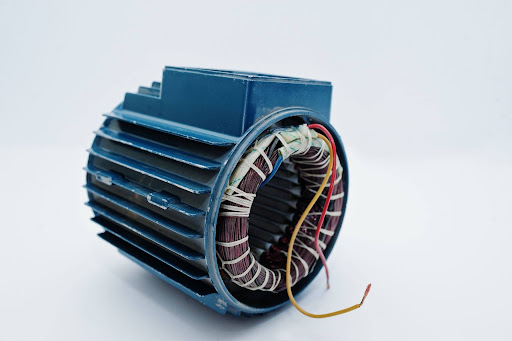
IEEE 841 is an industrial technical standard that defines the strict electrical performance, rugged construction, and testing requirements for premium-efficiency, severe-duty electric motors. However, the title IEEE 841 refers to a standard that specifically applies to totally enclosed, squirrel-cage polyphase induction motors used in harsh environments such as oil refineries, chemical plants, pulp and paper mills, mining operations, and wastewater treatment facilities.
Have you been searching for the business benefits of IEEE 841 electric motors? Then you’re just in the right place. This informative IEEE 841 standard guide will outline the key business benefits of these electric motors.
- Exceptional Durability and Extended Motor Life
One of the top benefits of using the Institute of Electrical and Electronics Engineers (IEEE) 841 motors is their exceptional durability, which extends motor life. IEEE 841 motors are built to withstand harsh physical punishment. Additionally, they feature heavy-duty cast-iron frames, end shields, fan covers, and conduit boxes.
However, the windings receive a tropicalized treatment to resist moisture, fungus, and chemical corrosion. Their robust build enables them to outlast standard industrial motors in harsh environments easily.
- Superior Protection Against Dust and Moisture
Dust contamination is the primary enemy of electric motor bearings and windings. One of the standard features of these motors is their superior protection against dust and moisture. The IEEE 841 standard requires a minimum of IP55 ingress protection, which means the motor is tightly sealed against dust and low-pressure water jets.
Additionally, they are equipped with non-sparking bearing isolators at both ends to keep grease in and contamination out of the motor.
- Reduced Vibration and Quieter Operation
Excessive vibration accelerates mechanical wear. IEEE 841 standards enforce incredibly strict limits on rotational vibration, requiring them to be significantly lower than standard NEMA requirements.
Every motor made under IEEE 841 standards undergoes rigorous testing, and the manufacturer must provide an individual test report certifying that it has low vibration and noise levels before making it available for sale.
- Lower Energy Costs
These motors are designed not only to be tough but also highly efficient. By meeting or exceeding NEMA Premium efficiency standards, they convert more electrical power into mechanical energy.
They also recoup the investment in these motors by operating for longer periods without the need for repair and maintenance.
- Lower Total Cost of Ownership (TCO)
An IEEE 841 motor requires a higher upfront investment than a standard motor but delivers a much better return on investment (ROI). By drastically reducing unexpected downtime, maintenance labor, and replacement costs, these motors lower the total cost of ownership over their operational lifespan.
- Standardized Engineering and Simplified Purchasing
Writing custom specifications for severe-duty motors takes valuable engineering time. Because the IEEE 841 designation is a universally recognized standard, purchasing teams can buy from multiple reputable manufacturers knowing that every motor will meet the same high-performance benchmarks. Most manufacturers back this reliability with a standard 5-year warranty.
Bottom Line
When a motor failure can cost thousands of dollars per hour in lost production, buying standard equipment is a gamble. IEEE 841 electric motors provide the ultimate insurance policy for your plant’s uptime, with unmatched sealing, efficient performance, and rugged durability.